
People Pleasing in Relationships: When Keeping the Peace Creates Disconnection
May is Mental Health Awareness Month, and while most conversations focus on stress, anxiety, or burnout individually, relationship patterns play a major role in emotional well-being, too.
One pattern that quietly affects both mental health and relationships is people pleasing.
Many people don’t even realize they’re doing it. It can look caring, supportive, flexible, or “easygoing” on the surface. But over time, constantly managing other people’s emotions while ignoring your own often creates resentment, exhaustion, and emotional distance.
In my work providing Couples Therapy in Montclair NJ, this dynamic shows up more often than people expect.
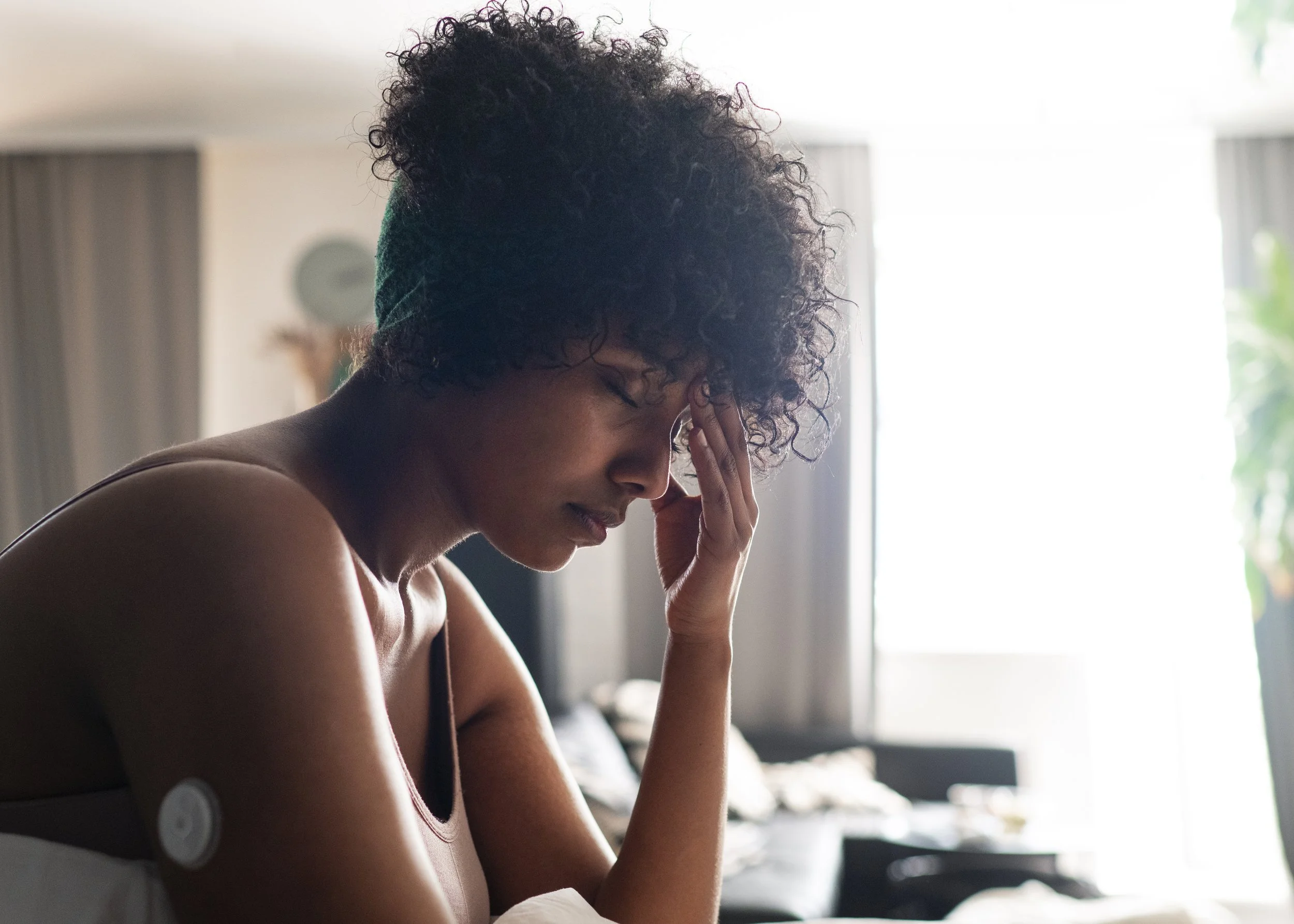
A woman sitting alone after an argument, appearing emotionally drained while replaying conversations internally
People Pleasing Usually Starts as Protection
Most people-pleasing behaviors are adaptive.
At some point, keeping the peace may have felt emotionally safer than expressing disappointment, anger, hurt, or needs directly.
You might:
Avoid difficult conversations
Say yes when you mean no
Minimize your feelings
Over-explain yourself
Focus more on your partner’s reactions than your own experience
Try to prevent conflict before it happens
In relationships, this can initially look like “good communication.” But underneath it is often anxiety about disconnection, rejection, or upsetting someone you care about.
As Sue Johnson often emphasized in emotionally focused therapy work, many relationship behaviors are really attempts to maintain emotional connection and security.
A helpful overview of this idea can be found here: https://www.psychologytoday.com/us/blog/your-brain-relationships/202001/what-every-couple-needs-emotional-responsiveness
The Problem Is That Needs Don’t Actually Disappear
People pleasing tends to create an invisible imbalance in relationships.
One partner becomes highly focused on maintaining stability. The other may not even realize how much emotional accommodation is happening underneath the surface.
Over time, the person doing the accommodating often starts feeling:
Emotionally exhausted
Unseen
Irritable
Disconnected
Lonely inside the relationship
Then eventually, resentment appears “out of nowhere.”
But usually it didn’t come out of nowhere at all.
It built slowly through years of self-abandonment, emotional suppression, and fear of being fully honest.
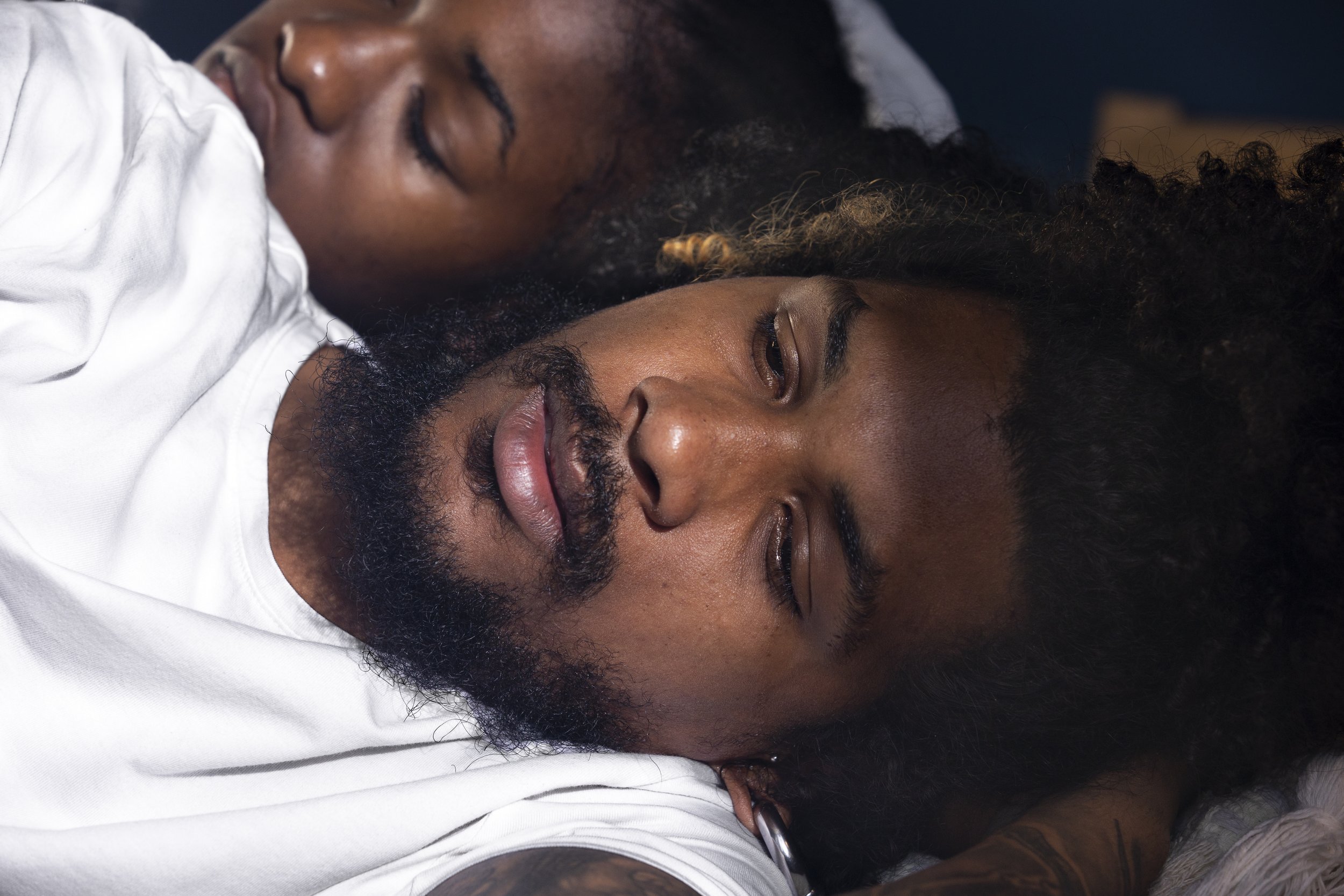
A couple slaying quietly together in bed, physically close but emotionally distant, both looking away with subdued expressions in soft natural lighting.
This is one reason many couples come into Marriage Counseling NJ confused. One partner feels blindsided while the other feels emotionally depleted after trying so hard to hold everything together.
People Pleasing Can Also Increase Anxiety
There’s a strong connection between emotional suppression and nervous system stress.
When someone constantly monitors moods, prevents conflict, or over-functions emotionally, their body rarely feels fully settled.
That ongoing hyper-awareness can contribute to:
Relationship anxiety
Overthinking conversations
Emotional burnout
Difficulty relaxing
Feeling responsible for everyone else’s emotions
This is especially important to recognize during Mental Health Awareness Month because many people assume anxiety only comes from work stress or personal pressure.
Sometimes the emotional strain is happening quietly inside the relationship dynamic itself.
In Relationship Anxiety NJ work, we often explore how emotional patterns become exhausting long before couples openly acknowledge there’s a problem.
What Actually Helps

A couple having a calm engaging conversation showing emotional honesty and vulnerability rather than conflict
Healing people pleasing patterns doesn’t mean becoming harsh, detached, or constantly confrontational.
It usually starts with learning to stay emotionally present while being more honest.
That can sound like:
“I know I usually say I’m fine, but I actually feel overwhelmed.”
Or:
“I’m realizing I avoid bringing things up because I’m afraid of conflict.”
Or even:
“I don’t want to keep pretending everything feels okay when it doesn’t.”
These moments matter because emotional closeness is built through authenticity, not emotional management.
Esther Perel often speaks about the importance of staying connected to yourself while staying connected to your partner.
This interview explains that dynamic clearly: https://www.estherperel.com/blog/the-quality-of-your-relationships-determines-the-quality-of-your-life
When couples begin slowing down these patterns, they often discover that the real issue was never “being too emotional.”
It was feeling unsafe expressing emotion honestly.
Moving Toward Healthier Connection
Mental Health Awareness Month is a helpful reminder that emotional wellbeing is deeply connected to our relationships.
Constantly managing everyone else’s comfort while abandoning your own emotional experience is not sustainable connection.
Healthy relationships make room for honesty, emotional responsiveness, boundaries, and repair.
If you’re noticing these patterns in your relationship, therapy can help you understand what’s happening underneath the cycle instead of staying stuck inside it.
I provide Couples Therapy in Montclair NJ and Marriage Counseling Montclair NJ for couples wanting to strengthen emotional connection, improve communication, and create healthier relationship patterns together.

Grounded and compassionate therapist portrait representing support for anxiety, relationships, and emotional growth.
Stevette Heyliger, LPC, is a Montclair, NJ based therapist specializing in Couples Therapy and emotionally focused work for individuals. She helps couples move beyond surface communication issues by addressing the emotional and nervous system patterns that keep them stuck.
Through Emotionally Focused Therapy for couples and Brainspotting, a focused body based approach that helps process stored stress and unresolved experiences, Stevette supports clients in healing disconnection, reducing anxiety, and building emotionally secure relationships. She offers weekly Marriage Counseling NJ as well as private Marriage Retreat Intensives NJ and Brainspotting Intensives for those ready for deeper, focused healing.