
Why Relationship Anxiety Feels So Intense
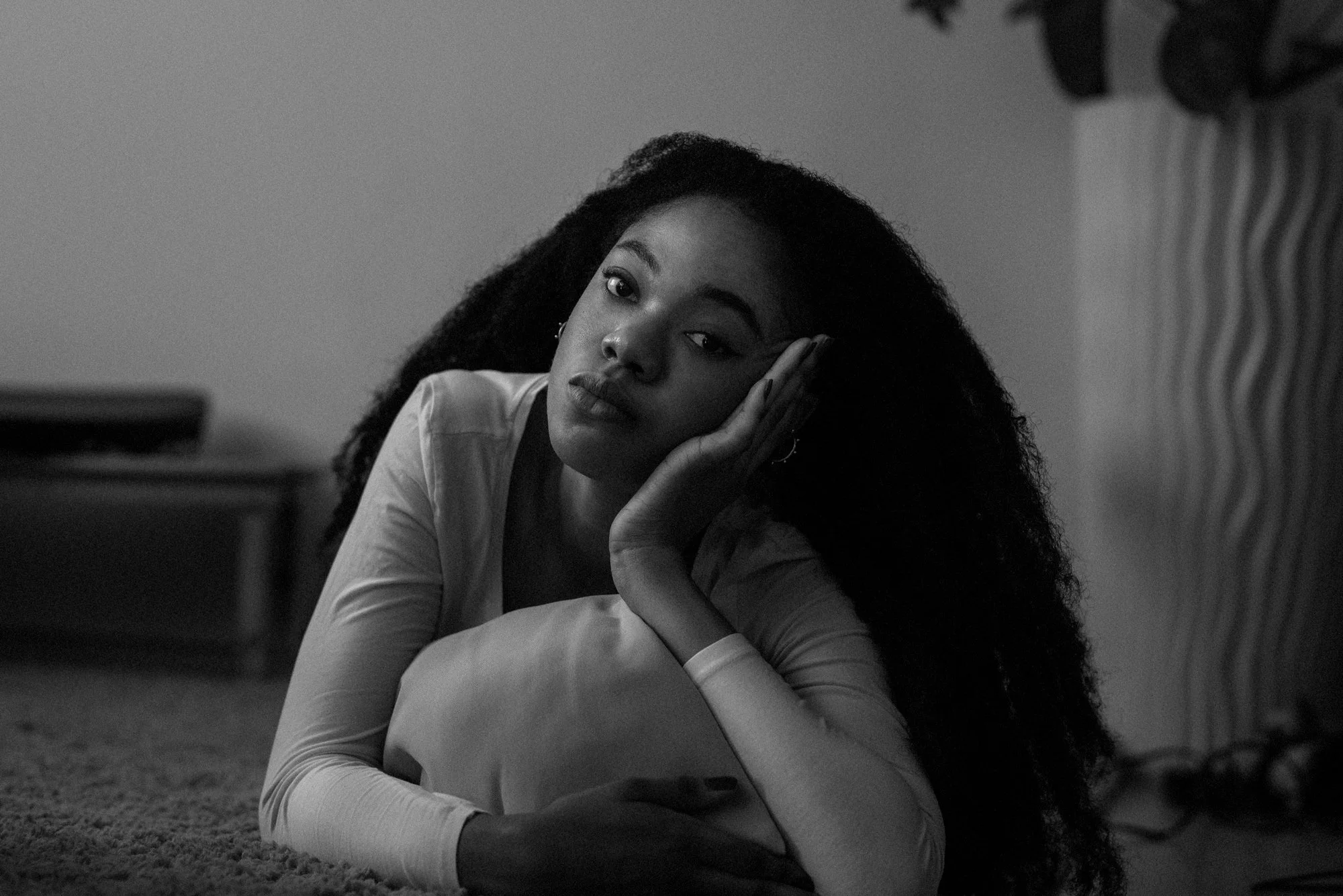
A woman reflecting while waiting for a partner to respond to a message, illustrating the experience of relationship anxiety and overthinking that can happen when emotional connection feels uncertain.
Your partner has not responded to your message.
You glance at your phone again.
And again.
You try to focus on something else, but your mind keeps returning to the same questions.
Did I say something wrong?
Are they upset with me?
Why are they not responding?
Your body begins to feel restless. Your thoughts speed up. You feel the urge to send another message just to settle the discomfort.
If you have experienced this before, you may have wondered why these moments feel so intense.
Why a small moment of uncertainty can suddenly create such a strong emotional reaction.
Many people assume this means they are simply too sensitive.
But that explanation misses something important.
What you are experiencing is often your attachment system and nervous system responding to uncertainty in connection.
When Connection Feels Uncertain
Humans are wired for emotional connection.
From early in life, our nervous systems learn whether reaching for others leads to comfort or disappointment.
These experiences shape how we respond to closeness and distance in adult relationships.
For some people, moments of disconnection activate a strong emotional response.

A couple sitting quietly together overlooking the water, representing emotional connection and the sense of safety that develops when partners feel secure in their relationship. | Couples therapy Montclair NJ
You may notice yourself
• replaying conversations in your mind
• looking for reassurance
• worrying that the relationship may be in danger
• feeling relief when connection is restored
These reactions are not signs of weakness.
They are signals that your attachment system is trying to protect the relationship.
The Nervous System Response
When connection feels uncertain, the brain can interpret it as a potential threat to emotional safety.
The nervous system then shifts into a more activated state.
This can create
• racing thoughts
• emotional urgency
• a strong need to repair the connection quickly
Your brain is not trying to create drama.
It is trying to restore safety in the relationship.
When Couples Get Stuck in a Cycle
Relationship anxiety often interacts with a partner’s different coping style.
One partner may move toward connection when tension appears.
The other may move toward distance to regulate their own emotions.
The more one partner pursues reassurance, the more the other may withdraw.
Over time, this creates a painful cycle that many couples recognize but struggle to change.
This dynamic is one of the most common patterns we see inCouples Therapy NJ.
The problem is rarely that either partner is wrong.
The problem is the cycle that forms between them.

A warm, peaceful room representing the emotional safety needed for deeper feelings to be shared and understood in relationships.
When the Deeper Emotions Are Heard
Underneath relationship anxiety there are often deeper fears.
Fear of losing the relationship.
Fear of not being valued.
Fear that the connection may not be secure.
When these emotions remain hidden, partners often react in ways that unintentionally push each other further apart.
But when those deeper emotions are spoken and received with empathy, something shifts.
The nervous system settles.
Partners begin responding to each other with more understanding and less defensiveness.
And the cycle begins to soften.
Moving Toward Greater Security
Relationship anxiety does not mean you are broken.
It means your attachment system learned to respond strongly when connection feels uncertain.
With the right support, these patterns can change.
In Couples Therapy Montclair NJ, we help couples slow down their conflict cycles, understand the emotions underneath their reactions, and create a more secure foundation for connection.
When partners feel emotionally safe with each other, the nervous system no longer needs to work so hard to protect the relationship.
If you and your partner feel stuck in cycles of anxiety, distance, or repeated conflict, working with a therapist can help you understand the emotional patterns underneath those reactions.
In Couples Therapy Montclair NJ, we help partners slow down conflict cycles, understand the attachment patterns driving their responses, and rebuild emotional safety in the relationship.
Some couples benefit from weekly couples therapy, while others prefer the deeper, focused work of a Couples Therapy Intensive NJ, where we spend extended time working through patterns more quickly.
Both options are designed to help partners move out of reactive cycles and toward a more secure and connected relationship.
Click below to schedule a complementary 15 min consultation.

Stevette Heyliger, LPC, specializing in Emotionally Focused Couples Therapy and Marriage Retreat Intensives in Montclair NJ
Stevette Heyliger, LPC, is a Montclair, NJ based therapist specializing in Couples Therapy and emotionally focused work for individuals. She helps couples move beyond surface communication issues by addressing the emotional and nervous system patterns that keep them stuck.
Through Emotionally Focused Therapy for couples and Brainspotting, a focused body based approach that helps process stored stress and unresolved experiences, Stevette supports clients in healing disconnection, reducing anxiety, and building emotionally secure relationships. She offers weekly Marriage Counseling NJ as well as private Marriage Retreat Intensives NJ and Brainspotting Intensives for those ready for deeper, focused healing.